
My grandfather died of a heart attack on his 60th birthday (months before I was born). Decades later, my grandmother needed a pacemaker. And since long ago, my father has been watching his heart. As a nutritionist—and mother of two—that experience continues to change the way I think about cardiovascular health. But I’m a firm believer that “healthy” doesn’t mean extremes, especially when it comes to heart health. Supporting your cardiovascular system is all about making daily choices about diet, exercise, stress, and recovery. The kind of habits that are more important than we realize.
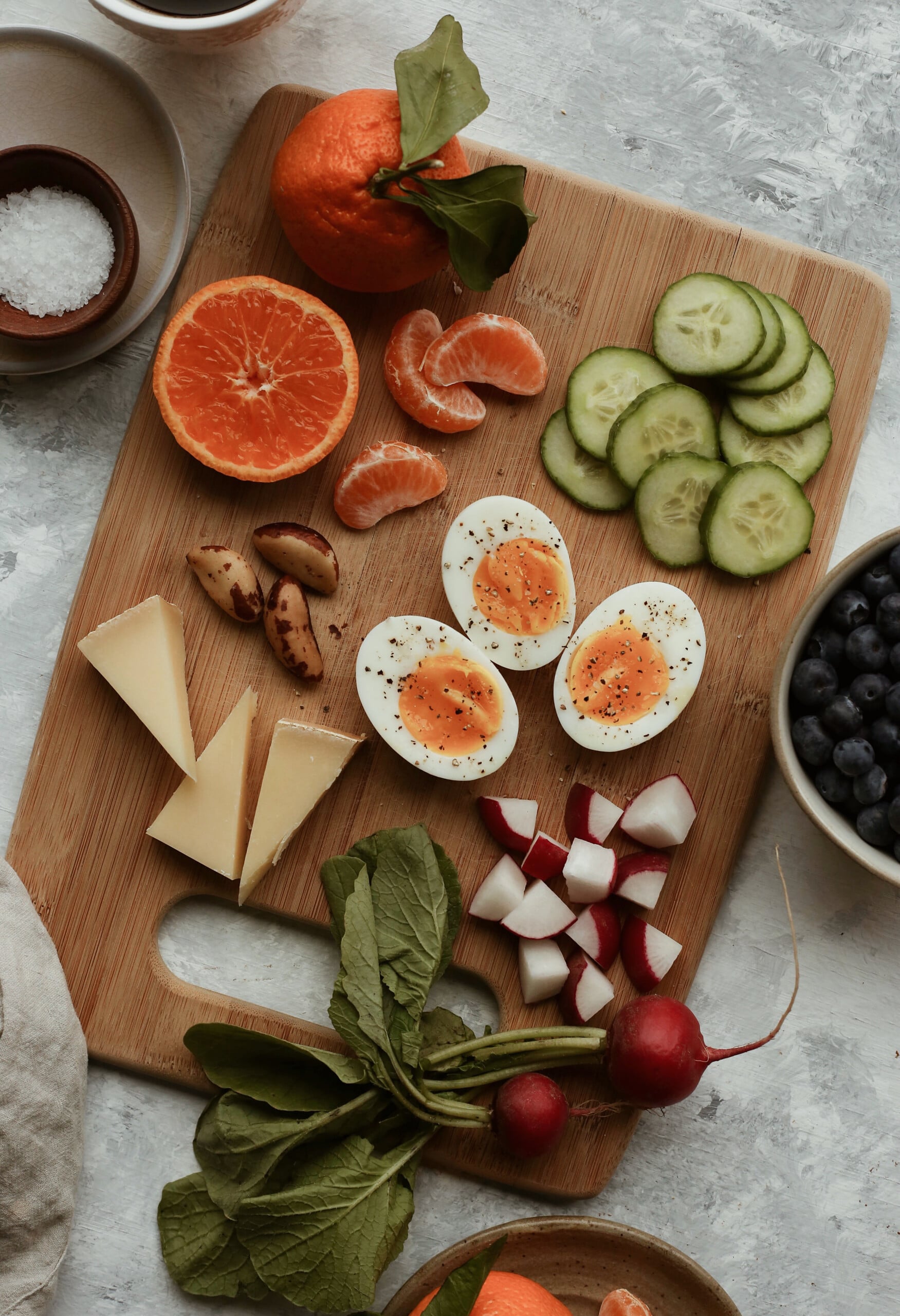
Why Heart Health Matters
Your heart works around the clock, pumping blood, oxygen, and nutrients to every cell in your body. When heart health is top of mind, everything benefits—energy levels, brain function, hormone balance, and even your mood. If you get an annual checkup with your PCP, you’ll know the two biggest markers of heart health are blood pressure and cholesterol. High blood pressure increases the stress on your arteries, while unbalanced cholesterol levels can contribute to plaque build-up over time. Both are heavily influenced by lifestyle (mainly nutrition, exercise, and stress).
It is important to understand that heart health is not a single practice. It’s all about patterns! The goal is not to fix your health overnight, but to create habits that naturally support lower blood pressure, healthy cholesterol levels, and cardiovascular fitness.
Nutrition for Healthy Blood Pressure
When it comes to lowering blood pressure, diet is one of the most powerful tools at our disposal. At its core, a heart-healthy diet prioritizes nutrients that help blood vessels relax and balance fluid levels in the body. A few basic principles:
- Focus on foods rich in potassium. Potassium helps counteract the effects of sodium and supports healthy blood vessel function. Think leafy greens, sweet potatoes, avocados, beans and bananas.
- Don’t be afraid of sodium. Rate it! Sodium is not a common culprit, especially if you eat a lot of whole foods. The problem is usually too much sodium from highly processed foods combined with foods that are low in potassium.
- Eat enough protein. Protein helps stabilize blood sugar, which indirectly supports blood pressure by reducing the release of stress hormones. Most women feel better aiming for 25-40 grams per meal.
- Include healthy fats. Omega-3 fatty acids (from oily fish, flaxseed, chia, and walnuts) help reduce inflammation and support vascular health.
One simple habit I often suggest: build colorful meals around whole foods—protein, fiber, healthy fats—and leave everything else to chance (enjoy the chocolate chip cookie!).
Understanding (The Nuance of) Cholesterol
Cholesterol is often oversimplified as “good” or “bad,” but it is much more than that. First, your body needs cholesterol to function. It plays an important role in hormone production, brain health, again cell membrane structure. Most of the cholesterol in your body is produced by the liver, while dietary cholesterol has much less impact than we previously believed. In other words, cholesterol concerns are common Underneath about cholesterol itself as well More about how it is transported in the blood.
LDL vs. HLD Cholesterol
To explain this, LDL carries cholesterol to the tissues, while HDL helps return excess cholesterol to the liver. Many factors (blood sugar balance, stress, etc.) influence how this process works. Genetics are also important. Some people are prone to high cholesterol levels regardless of lifestyle, while for others, daily habits play a big role. That’s why discussions about cholesterol have shifted to overall diet quality and metabolic health.
Foods That Support Cholesterol
Once you understand cholesterol in context, the discussion around food becomes much less stressful! Supporting healthy cholesterol doesn’t mean cutting out everything or eating “whole.” It’s about giving your body the nutrients it needs to do its job well: moving cholesterol around properly, reducing inflammation, and protecting blood vessels over time. A few foods that regularly support lower cholesterol and better heart health:
Foods with fiber
Soluble fiber binds to cholesterol in the digestive tract and helps remove it from the body. Oats, beans, lentils, chia seeds, and greens work best. No, it’s fibermaxxing not necessary for a healthy heart!
Fats are healthier than refined carbs
Replacing ultra-refined carbs with fats such as olive oil, avocado, nuts, and seeds can improve cholesterol levels.
Foods rich in polyphenol
Berries, extra-virgin olive oil, dark chocolate, green tea, and colorful vegetables contain antioxidants that protect blood vessels from oxidative stress.
Fermented food
Not surprisingly, emerging research suggests that gut health plays a role in cholesterol metabolism. Yogurt, kefir, sauerkraut, and kimchi support a diverse microbiome, which may indirectly benefit heart health.
Rather than focusing on what needs to be eliminated, I encourage clients to think about what they can add—more fiber, more color, less processed foods.
Strong Cardiovascular Movement Habits
Cardiovascular fitness doesn’t have to mean marathon training or daily HIIT classes. In fact, consistency is more important than consistency. First, travel is a thing so which is below. Enter your steps! Regular walking improves blood circulation, lowers blood pressure, and supports cholesterol balance. Even 10-15 minutes (preferably, after a meal to support a healthy glucose response) can make a meaningful difference. Additionally, focus on strength training 2-3x/week. Building lean muscle improves insulin sensitivity, supports metabolic health, and reduces cardiovascular risk over time.
Daily Habits to Improve Heart Health
Besides diet and exercise, your heart responds to the way you live each day. These simple practices often make a big impact:
Prioritize sleep. Lack of sleep raises blood pressure and interferes with cholesterol metabolism. Aim for consistency over perfection (preferably, more than 7 hours!).
Manage stress intentionally. Chronic stress keeps your nervous system in high gear, raising your heart rate and blood pressure. Breathing habits, time outdoors, and regular movement all help manage this.
Eat carefully. Slowing down during meals—even breathing slowly before eating—improves digestion and supports blood sugar balance, which directly affects heart health.
Stay hydrated. Dehydration can increase stress on the cardiovascular system. Water (with electrolytes) is more important than we give it credit for!


Putting It All Together
The health of the heart is not built in a day, but your daily decisions add up. When you focus on good nutrition, supportive movement, healthy routines, and stress management, you’re not only protecting your heart—you’re building a foundation for long-term fitness. The most powerful heart-healthy habits are the ones you can return to again and again. And that’s exactly what makes them work.

Eddie Horstman
Edie is the founder of the nutrition coaching business, Wellness with Edie. With her background and expertise, she specializes in women’s health, including fertility, hormonal balance, and postpartum health.